Interpreting Pulse Oximeter Readings: What Do the Numbers Mean?
Pulse oximeters are portable medical devices that measure the oxygen saturation levels in your blood, as well as your heart rate. These small and convenient devices have become increasingly popular for home use, especially during the ongoing COVID-19 pandemic.
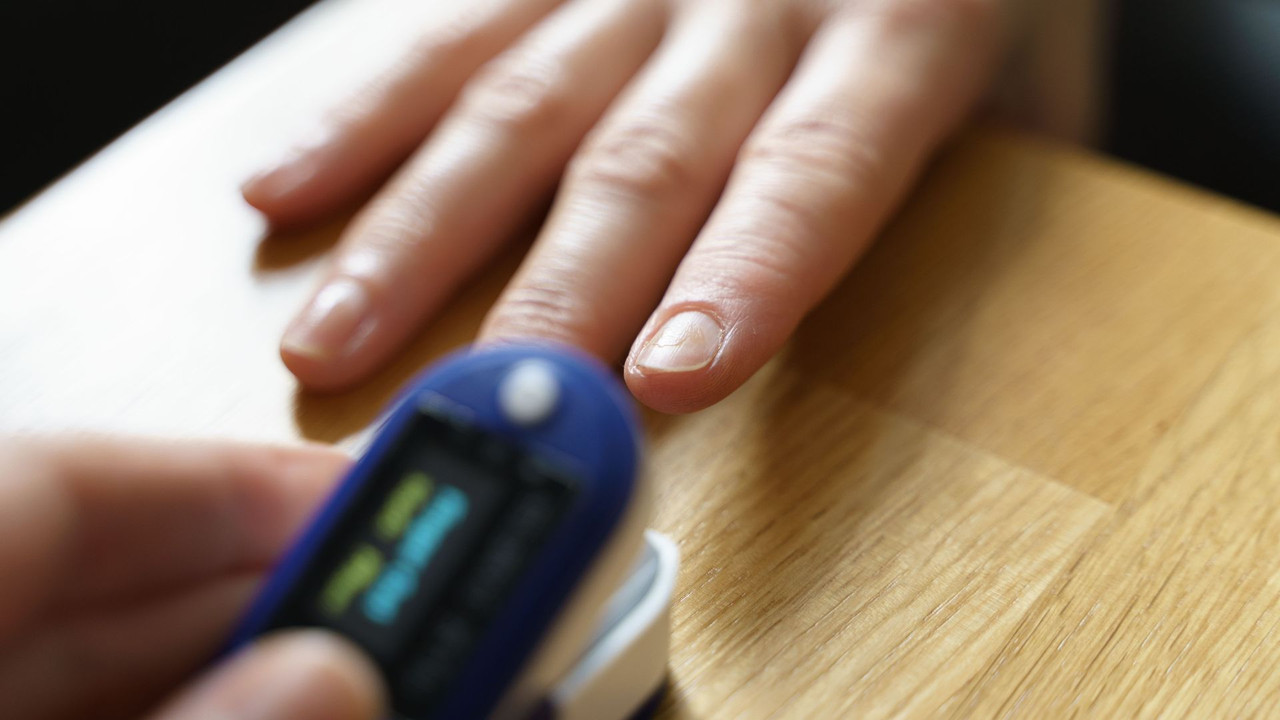
When using the oximeter, you will see two important numbers displayed: oxygen saturation (SpO2) and heart rate. Understanding what these numbers mean is crucial for monitoring your health and seeking appropriate medical attention if necessary.
Oxygen saturation (SpO2) is expressed as a percentage and represents the amount of oxygen being carried by your red blood cells. A normal reading typically falls between 95% and 100%. If your SpO2 reading drops below 90%, it may indicate low oxygen levels in your blood, which could be a sign of respiratory or cardiovascular issues.
Heart rate refers to the number of times your heart beats per minute. The normal range for adults is generally between 60 and 100 beats per minute. However, athletes or individuals who are physically fit may have lower resting heart rates. If you notice an unusually high or low heart rate on your oximeter, it's advisable to consult with a healthcare professional.
It's important to remember that pulse oximeters are not diagnostic tools but rather indicators of potential health concerns. If you have persistent low SpO2 readings or abnormal heart rates, it's recommended to seek medical advice for further evaluation and proper diagnosis.
In conclusion, understanding how to interpret pulse oximeter readings can provide valuable insights into your overall health status. Monitoring changes in oxygen saturation levels and heart rate can help identify potential issues early on, allowing for timely intervention when needed.


 00000000000


