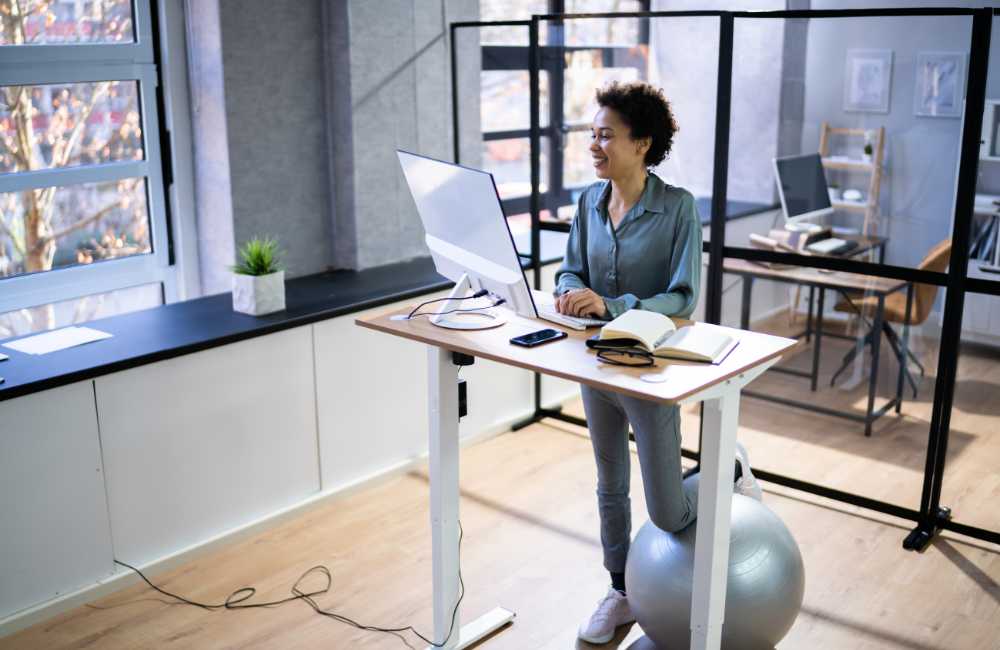
The height adjustable table, also known as a sit-stand desk, has become a popular fixture in modern workspaces. It offers a welcome departure from the traditional, static desk, promoting movement and potentially boosting well-being and productivity. However, simply owning a height adjustable table isn't enough. To reap the full benefits, you need to understand how to use it effectively. This guide delves into the world of sit-stand desks, exploring best practices, ergonomic considerations, and tips to maximize your comfort and productivity when using your height adjustable table.
From Fad to Function: Understanding the Benefits of Sit-Stand Desks
Height adjustable tables offer a dynamic alternative to the standard desk, allowing you to switch between sitting and standing throughout the workday. This shift in posture offers a multitude of benefits:
Reduced Back Pain and Improved Posture: Alternating between sitting and standing helps alleviate pressure on the spine and promotes better posture, leading to reduced back pain and discomfort.
Increased Energy Levels and Reduced Fatigue: Standing can help to combat fatigue and promote better blood circulation, leading to increased energy levels and improved focus.
Enhanced Productivity: Studies suggest that alternating between sitting and standing can lead to improved cognitive function and increased productivity.
Reduced Risk of Chronic Health Conditions: Prolonged sitting has been linked to an increased risk of obesity, heart disease, and type 2 diabetes. A height adjustable table encourages movement throughout the day, mitigating these risks.


 0816554444


