Plastic has long been a popular choice for food packaging due to its versatility, durability, and cost-effectiveness. It is widely used in various forms such as bottles, containers, films, and wraps to store and protect food products.
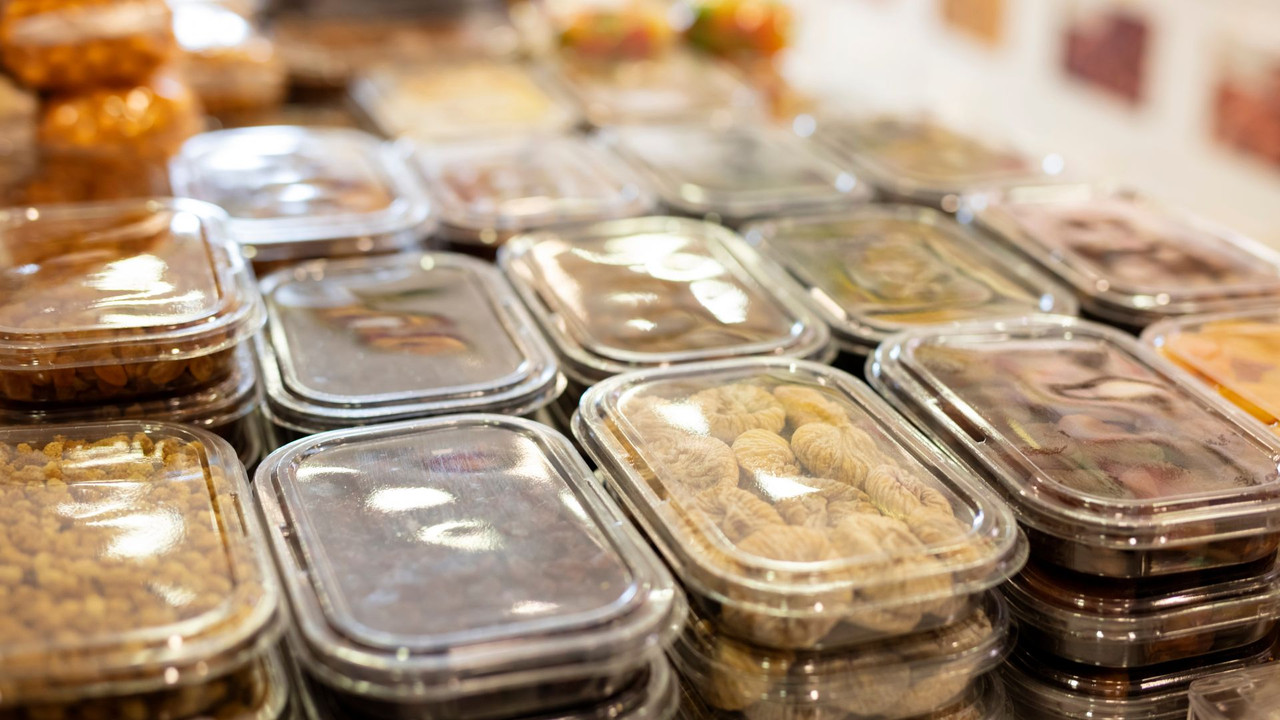
One of the main advantages of using plastic for food packaging is its ability to provide an effective barrier against moisture, air, and contaminants. This helps in preserving the freshness and extending the shelf life of perishable items. Plastic packaging also offers protection against physical damage during transportation and handling.
Another benefit of plastic packaging is its lightweight nature, which makes it easier to transport and reduces shipping costs. Additionally, plastic materials can be molded into different shapes and sizes, allowing for customized packaging solutions that cater to specific product requirements.
However, it is important to address the environmental concerns associated with plastic packaging. The improper disposal of plastic waste has led to pollution in oceans and landfills. As a result, there is a growing demand for sustainable alternatives that reduce the environmental impact.
Efforts are being made by manufacturers to develop eco-friendly plastics that are biodegradable or made from renewable resources. Additionally, recycling initiatives are being promoted to minimize waste generation and promote circular economy practices.


 9875467890


